Neuropathy Natural Treatment: The Coating It Has To Reach
The natural remedy that worked for your neighbour did nothing for you. He says it is not the ingredients.
The Coating He Describes
His account starts with what he says happens around the nerve itself: a corrosive enzyme collects around the nerve and hardens into a coating. He calls it sticky plaque.
It eats the protective layer and leaves the nerve bare — an electrical wire stripped, in his words. It forms at the far ends first, which is why the feet go before the hands.
Nothing you put on the outside knows it is there.
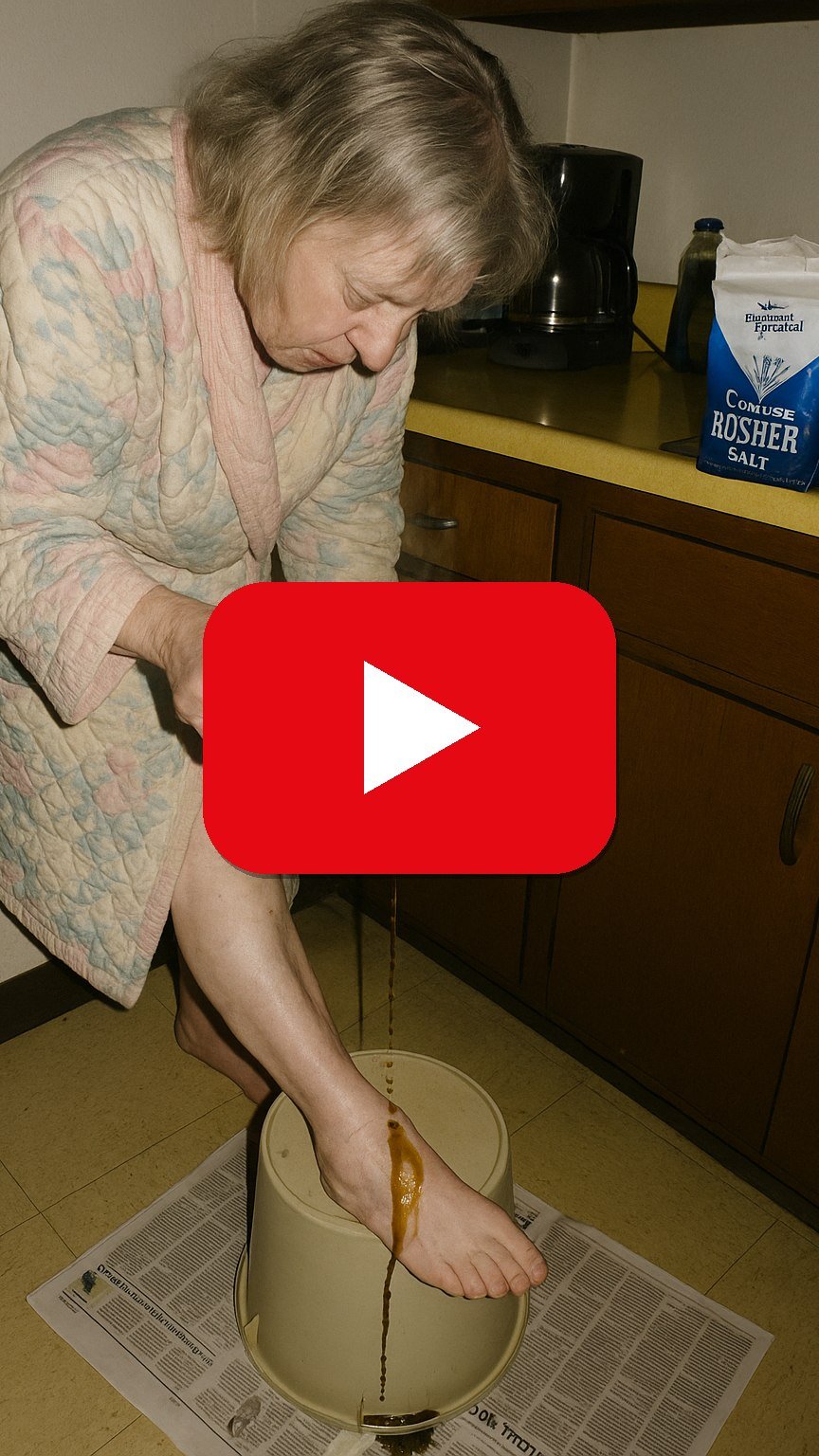
Why A Natural Treatment Has To Get Past It
This is the part he spends the most time on, and it is the part that explains the neighbour.
Two people can use the same three ingredients and get opposite results, because one of them got past the coating and the other one did not. The ingredients were never the variable.
What decides it is the order, the proportion and the hour of the day. He is blunt that improvising it at home is why most people get nothing out of it, and he performs the sequence on camera instead of listing it.
If Your Answer So Far Has Been A Prescription
Three or four of them, and almost everyone with this diagnosis ends up on one. You know which ones.
Keep taking what you were given — he says that more than once, and so do we. His point is narrower: they were built to quiet the signal, not to reach what is producing it. A coating does not care that the signal got quieter.
He is plain about where he is coming from. For 27 years he worked inside the system that prescribes them, and he explains what they were and were not designed to do.
Why It Is Worse When The Nights Turn Cold
A nerve that has lost its coating does not take a cold night the way an intact one does, and the first cold weeks are when he hears from the most people. He gives the reason, and what he does about it.
Three ingredients, most kitchens have them, about ten seconds. He did not invent it. He built it on the work of a researcher he credits in the presentation.
What The People Who Did It Report
They describe something smaller and more specific: that it stopped climbing, and that they slept.
“By day three she slept through the night for the first time in over a year. By day twenty-one she walked a full mile holding her granddaughter’s hand.”— about a 73-year-old patient, in the presentation
Seven years on the same prescription before that.
Before You Watch It
That is the question he opens on. Same three ingredients, opposite result, because one of them got past the coating and the other did not. He shows what makes the difference.
You can, but he explains that the ingredients alone are only part of it. The three are ordinary. The order, the proportion and the hour of the day are the entire mechanism. He performs it rather than listing it.
No. Keep your appointments and keep taking what you were prescribed — he repeats that more than once. His argument is about what it was never built to reach. He draws that line early.
He works from the feet, because the coating forms at the far ends of the nerve first. People with both usually start there anyway. He shows where he applies it and why.
Because a nerve that has lost its coating does not take a cold night the way an intact one does, and the first cold weeks are when he hears from the most people. He gives the reason and what to do about it.
None of the three. It plays as soon as the page opens.
Long enough that you want to be sitting down. Most of it goes on the mechanism and the order; the sequence itself is near the end. Come back when you have the hour if you do not have it now.